I'm a Seller: What Taxes and Fees Do I Pay When Selling a Property?
By Renato Gosling
This is the most common question that arises in the first conversation with someone putting a property up for sale — and the answer usually brings relief: the seller pays less than the buyer. The problem is that almost everyone comes with incorrect information, mixing ITBI, deed, and commission into a single calculation. Let's separate what belongs to the seller, what belongs to the buyer, and where the big numbers lie.
First, what isn't yours: the ITBI (Imposto sobre a Transmissão de Bens Imóveis, or Real Estate Transfer Tax) and the deed registration fee (escritura no cartório) are buyer's costs. In São Paulo, the ITBI is typically around 2% to 3% of the property value, and the deed fee is calculated based on that same amount. If during negotiations someone suggests “half for each,” it’s a bargain — it’s not a legal obligation for the seller.
The seller's most visible cost is the broker's commission. It's negotiated on a case-by-case basis and is applied to the sale price. This service includes a realistic property appraisal, sourcing and filtering buyers, leading negotiations, and tracking paperwork until the deed is signed. Good brokers pay for themselves: a well-priced property usually sells faster and closer to the asking price than an “overpriced” property that sits on the market for months.
Then come the certificates and documentation: an updated property registration (matrícula atualizada do imóvel), certificates of encumbrances and lawsuits (certidões de ônus e ações), and proof that you are up-to-date with IPTU (Imposto Predial e Territorial Urbano, or Urban Property Tax) and condominium fees. Together, this generally amounts to a few hundred Brazilian Reais — an inconvenience, but not a significant expense. If the property has a mortgage (hipoteca) or fiduciary alienation (alienação fiduciária, a type of collateralized loan), the cancellation of the lien is also included, with fees from the bank and the registry office.
You also need to deliver the property fully paid: IPTU, condominium, electricity, gas, and water proportional to the transfer date. In high-end sales with high monthly condominium fees, this pro-rata distribution can represent a significant amount, so organize your accounts before the first visitor arrives.
Now, the big number: capital gains tax (imposto sobre o ganho de capital). Capital gain is the positive difference between the sale price and the acquisition cost — what you paid when you bought it, plus improvements with receipts (e.g., renovations). On this profit, the tax rate varies from 15% to 22.5%, depending on the gain bracket.
The calculation is done using the GCAP program (Programa de Apuração dos Ganhos de Capital, the Brazilian Federal Revenue's Capital Gains Calculation Program) immediately after the sale, and the tax is due by the last business day of the month following the transaction. In other words: it's not something you “resolve in next year's tax return” — the DARF (Documento de Arrecadação de Receitas Federais, a federal revenue collection form) is generated in the month following the sale.
Before you worry, learn about the two exemptions that resolve most cases. The first: did you sell your sole property for up to R$440,000 and haven't sold another property in the last 5 years? There is no tax. The second, which is golden in Alto de Pinheiros: if you sell a residential property and reinvest the money in the purchase of another residential property in Brazil within 180 days, the gain is exempt — the exemption is proportional to the amount invested and can only be used once every 5 years.
The Brazilian Federal Revenue reinforced these rules in Consultation Solution Cosit (Coordenação Geral de Tributação – the General Coordination of Taxation) No. 149, of 2026, including how to count the 180 days. In practice: if the plan is to swap properties, the tax can go to zero — but only if the purchase of the next one is signed within the deadline. That's why the destination of the money needs to be decided before closing the sale, not afterward.
Two special situations are worth mentioning. Properties purchased before 1995 are entitled to the so-called reduction factor, which cuts a generous slice of the tax — if this is your case, do the math before any decision. And, for gains above R$5 million, since 2024, the payment shifts from the GCAP DARF to being assessed in the annual tax return; at this level, sit down with an accountant before signing. Also, a warning: here I am talking about individuals — if the property is in the name of a company, the rules change completely.
The classic mistake I always have to discourage: putting a lower value on the deed to “save on taxes.” You save almost nothing (the exemptions above solve most cases) and create two problems: the buyer pays ITBI on an undervalued amount — and today the Revenue cross-references this data — and, worse, your declared acquisition cost becomes lower. In the next sale, you pay tax on a larger profit than the real one.
A practical example, with round numbers: bought for R$2 million, invested R$200,000 in renovations with receipts, and sold for R$4 million. The gain is R$1.8 million, and in this bracket, the tax would be around R$270,000. Without planning, that's the money that leaves. With reinvestment in another residential property within 180 days, nothing might leave.
This is precisely why I do this calculation with the seller before putting the property on the market, not after the contract is signed. Knowing the net amount remaining changes the pricing, the negotiation timeframe, and often the very decision to sell now or later. If you are thinking of selling in Alto de Pinheiros or the surrounding area, call me — we'll run these numbers in our first conversation, with no obligation.
Related properties
- Casa de condomínio

Casa de condomínio em Alto de Pinheiros — 1650m²
R$ 65.000.000 · 1650m²
- Casa
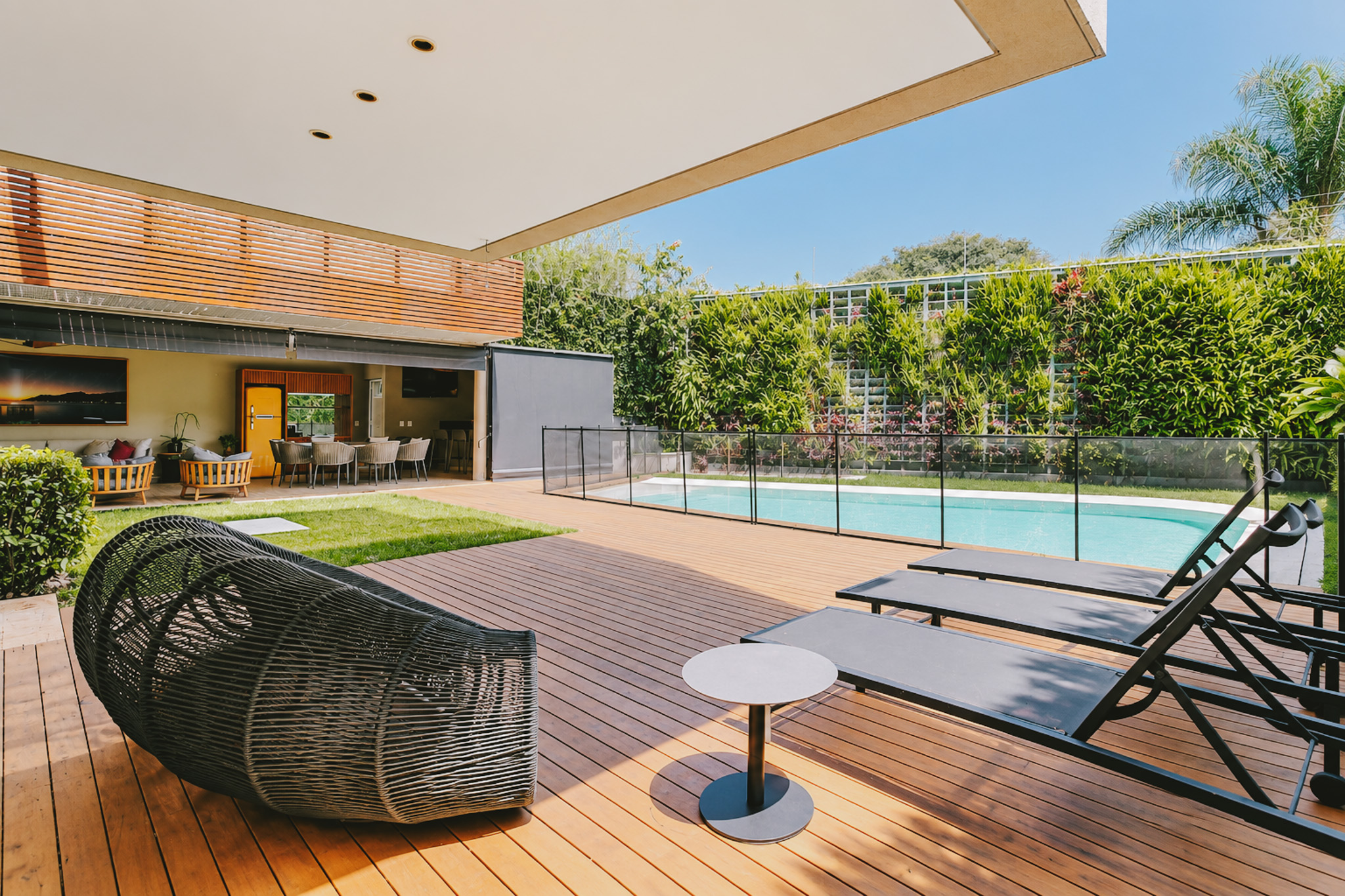
Casa em Alto de Pinheiros — 620m²
R$ 13.500.000 · 620m²
- Casa
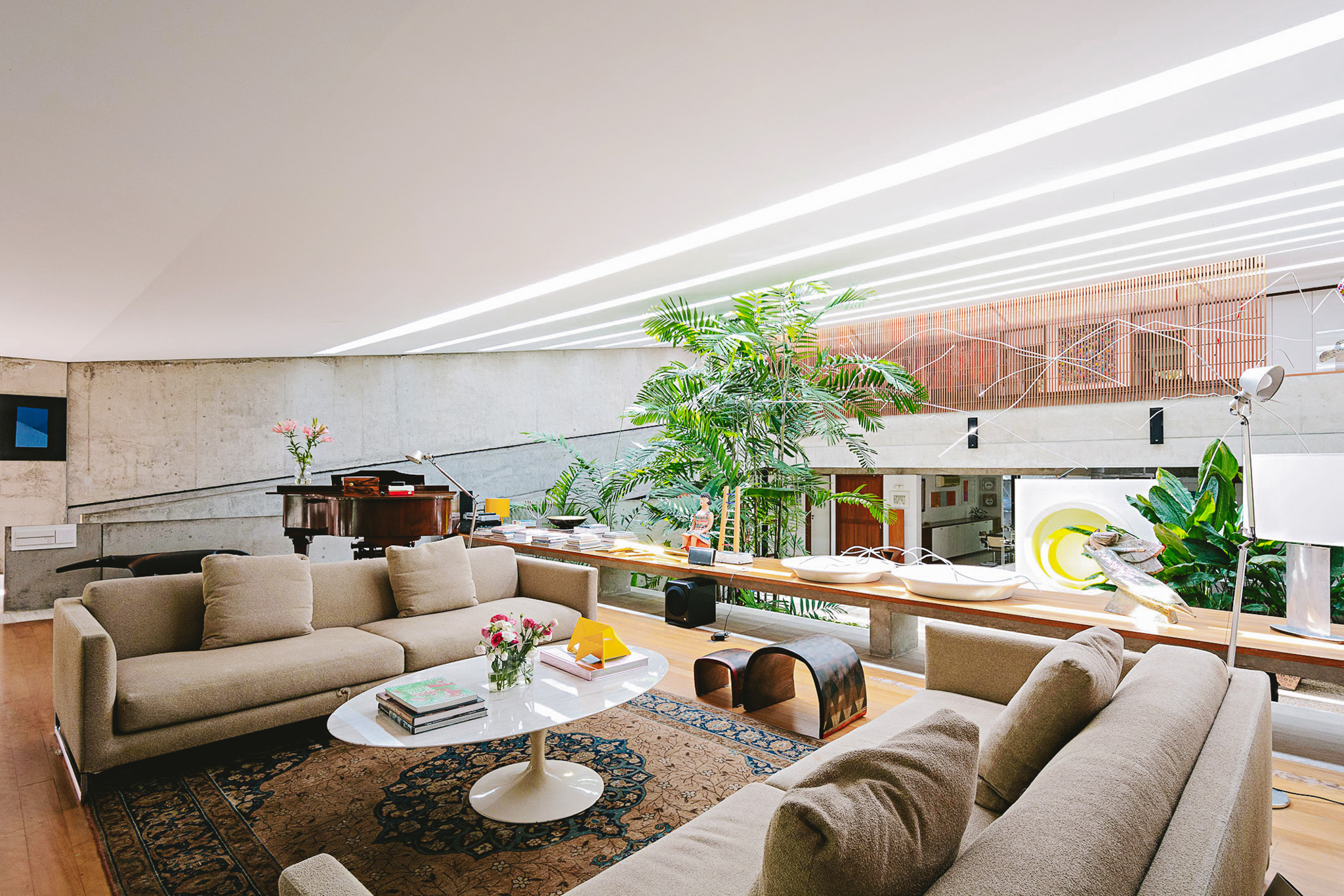
Casa em Alto de Pinheiros — 1000m²
R$ 33.000.000 · 1000m²
- Apartamento
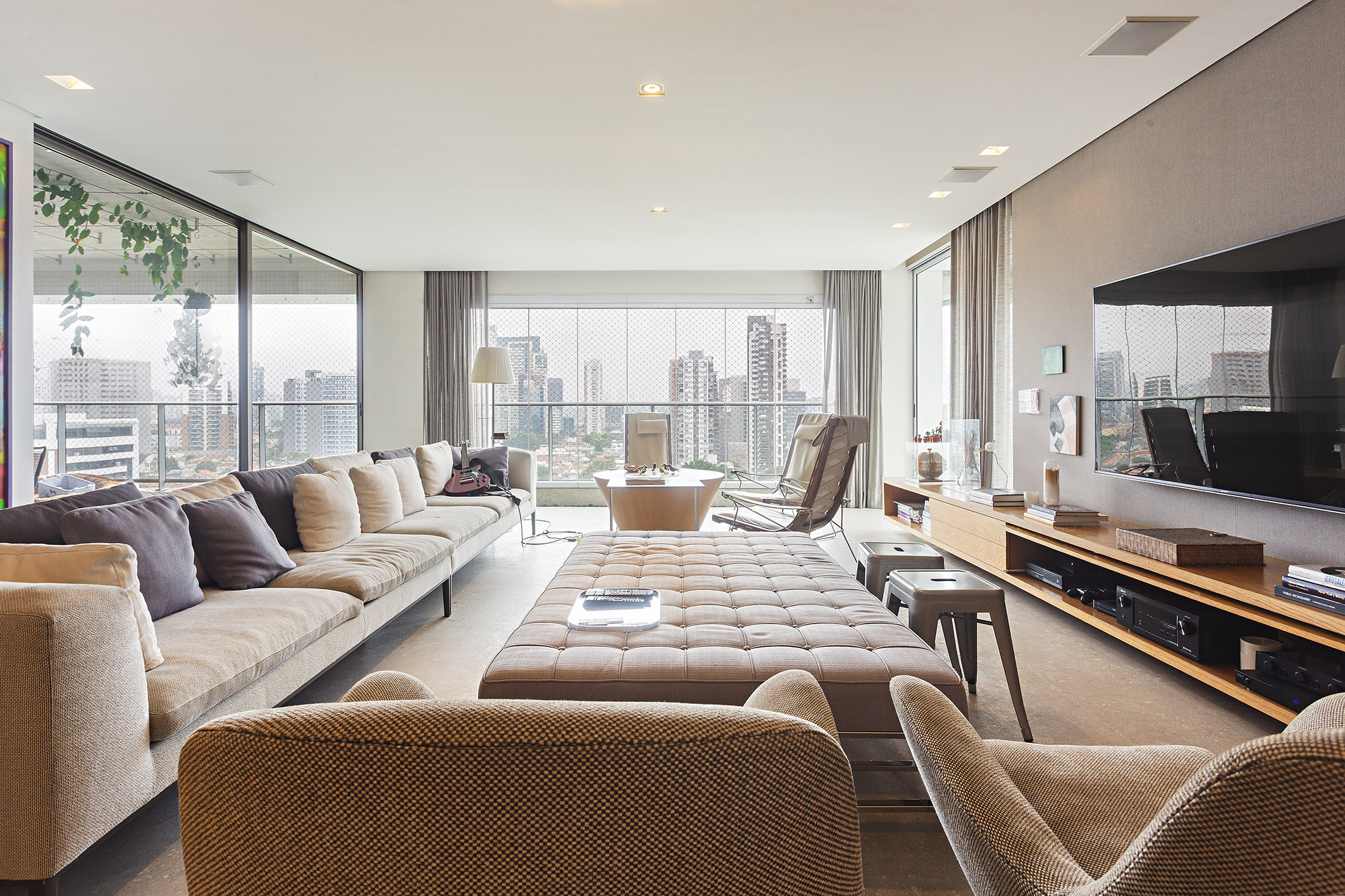
Apartamento em Alto de Pinheiros — 353m²
R$ 14.500.000 · 353m²
Receba os próximos imóveis antes de irem ao site
Toda vez que entrar um imóvel novo em Alto de Pinheiros ou Boaçava que se encaixe no seu perfil, você recebe por e-mail — antes do público geral.